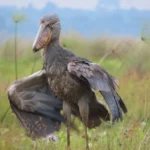
The Best Time to Visit Mabamba Swamp for Shoebill Watching. Mabamba Swamp, located on the northern shores of Lake Victoria in Uganda, is one of the most famous birding destinations in East Africa. This vast wetland is not only a Ramsar site (a wetland of international importance) but also a haven for hundreds of bird species, including Uganda’s crown jewel — the rare and elusive Shoebill Stork. Standing tall with its prehistoric appearance, large shoe-shaped bill, and commanding presence, the Shoebill is one of the most sought-after birds by birdwatchers and wildlife enthusiasts worldwide.
Planning a visit to Mabamba Swamp can be a life-changing experience, but to maximize your chances of spotting this iconic bird, timing is crucial. Below is a comprehensive guide on the best time to visit Mabamba Swamp for Shoebill watching, along with tips, seasonal variations, and what you can expect throughout the year.
Understanding the Shoebill in Mabamba Swamp
The Shoebill Stork (Balaeniceps rex) is a globally vulnerable species found in swampy wetlands of East and Central Africa. Mabamba Swamp is among the best and most reliable places to see this bird in the wild, making it a magnet for international birders.
Shoebills are known for their solitary and patient hunting style, often standing motionless for long periods before striking at prey such as lungfish, catfish, or frogs. Their preference for papyrus-filled wetlands and shallow waters makes Mabamba the perfect habitat. While the birds are present year-round, certain times of the day and year offer better opportunities to see them clearly.
The Best Time of Year to Visit Mabamba Swamp
Shoebill sightings are possible all year round, but the dry seasons are generally the best for watching these majestic birds.
1. Dry Season (December to February & June to August)
- Why it’s the best time:
During the dry season, water levels in the swamp reduce, concentrating fish and other prey into smaller pools. This makes hunting easier for Shoebills, which in turn increases your chances of spotting them. Additionally, the swamp paths and waterways are more navigable for the canoe rides used to track the birds.
- Birding benefits:
Besides Shoebills, you can also enjoy clear sightings of other water birds such as papyrus gonoleks, malachite kingfishers, swamp flycatchers, and African jacanas. Migratory species from Europe and Asia also appear during this period, making it a double treat for birders.
- Weather advantage:
Expect sunny skies and minimal rainfall, which makes the trip more comfortable and reduces the risk of cancellations.
2. Wet Season (March to May & September to November)
- What to expect:
The wet season brings lush greenery and breeding activity for many bird species, which can be fascinating for avid birders. However, heavy rains can make canoe navigation tricky, and water levels may rise, spreading out the fish and making Shoebill sightings slightly more challenging.
- Unique advantage:
This is the breeding season for many resident birds. For photographers and ornithologists, it offers a chance to witness courtship, nesting, and chick-rearing behavior. The swamp is alive with bird calls, and the vibrant scenery makes it worth the visit even if Shoebill sightings take longer.
The Best Time of Day to See Shoebills
While the time of year plays a big role, the time of day is equally important for Shoebill watching.
Early Morning (6:30 AM – 10:00 AM)
- Best viewing window: Shoebills are most active in the early morning hours when they hunt for fish.
- Why mornings work: The swamp is quiet, the air is cool, and boatmen can easily navigate without disturbance. The calm waters allow Shoebills to remain visible while feeding. Birders have reported the highest chances of sightings during this period.
Late Afternoon (4:00 PM – 6:00 PM)
- Second-best option: If you miss the morning session, the late afternoon is another excellent time. The birds often resume feeding activities before nightfall.
- Photographic advantage: The golden evening light creates stunning photography opportunities, highlighting the Shoebill’s striking features against the swamp’s serene backdrop.
Midday (10:00 AM – 3:00 PM)
- Why it’s less favorable: During the hotter hours, Shoebills and other birds tend to rest or move deeper into the swamp vegetation. This makes sightings less likely and more challenging.
Seasonal Highlights for Birders in Mabamba Swamp
December – February (Peak Dry Season)
- High Shoebill visibility.
- Best weather conditions for canoe rides.
- Migratory species from Europe present.
March – May (Long Wet Season)
- Breeding season for several swamp birds.
- Lush vegetation and vibrant swamp environment.
- More challenging navigation due to rains.
June – August (Short Dry Season)
- Another peak Shoebill viewing season.
- Easier canoeing with low water levels.
- Birders can enjoy both resident and migratory species.
September – November (Short Wet Season)
- Great time for seeing juvenile and nesting birds.
- Rainfall may interfere with canoe rides, but the swamp remains beautiful.
- Shoebills are still present, though sometimes harder to find.
Practical Tips for Visiting Mabamba Swamp
1. Start Early
Always plan your trip in the morning to maximize Shoebill sightings. Many tours begin around 7:00 AM from Entebbe or Kampala.
2. Use Experienced Local Guides
Local canoe guides and birding experts know the exact spots where Shoebills frequent. Their knowledge significantly improves your chances of success.
3. Carry Binoculars and a Camera
Shoebills may be spotted from a distance before your canoe gets closer. A good pair of binoculars and a camera with a zoom lens are essential for the best experience.
4. Dress Comfortably
Wear light, breathable clothes, a hat, and sunscreen for the sun, plus carry a rain jacket if you are visiting in the wet season.
5. Respect the Birds and Habitat
Avoid loud noises or sudden movements that might scare the birds. Mabamba is a fragile ecosystem, so eco-friendly travel practices are encouraged.
6. Plan for Accessibility
The swamp is about an hour’s drive from Entebbe. You can access it by road or by boat across Lake Victoria, which adds a scenic experience to your birding adventure.
Why Mabamba Swamp is a Year-Round Birding Paradise
While the Shoebill is the star attraction, Mabamba Swamp is home to over 300 bird species. Whether you visit in the wet or dry season, you can expect to see species such as:
- African pygmy goose
- Purple swamphen
- Goliath heron
- White-winged terns
- Pied kingfishers
- Grey crowned cranes
For birdwatchers, every season has its charm. Dry months offer easy navigation and reliable Shoebill sightings, while wet months reward you with the drama of bird breeding and vibrant swamp life.




Comments (4)
diflucan generic price,
04 April, 2026diflucan generic price
diflucan generic price
tetracycline antibiotics for acne,
03 March, 2026tetracycline antibiotics for acne
tetracycline antibiotics for acne
cialis,
03 March, 2026cialis
cialis
atorvastatin 80 mg tablet,
03 March, 2026atorvastatin 80 mg tablet
atorvastatin 80 mg tablet